
Mental health information
Prevention and early intervention programs within schools can support students' mental health by reducing stigma and improving student support. Ensuring school staff, including teachers, have up to date knowledge about mental health issues will help students understand what is happening for them and improve the overall wellbeing of the school community.
Schools play a vital role in reducing mental health stigma and helping students cope with various mental health issues including anxiety and depression. By creating safe and supportive environments, students will feel safe to disclose information regarding their mental health and are more likely to seek the support they need.
ReachOut Schools mental health information and resources are designed by professionals to help school staff. These resources have been designed to increase teachers' mental health literacy by explaining key mental health terms, and outlining the broad range of support available to students. Using them will help teachers feel confident to start a conversation about mental health with a student and help them as they navigate mental health concerns including anxiety, depression and eating disorders.
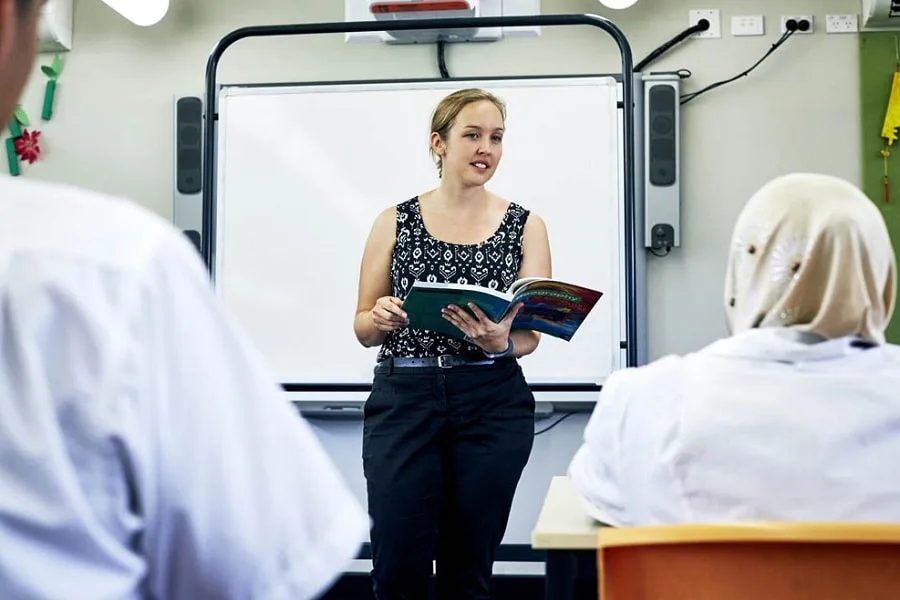
Mental health support tips for teachers
Are you a teacher looking for general mental health tips? This information will provide you with some practical classroom ideas.
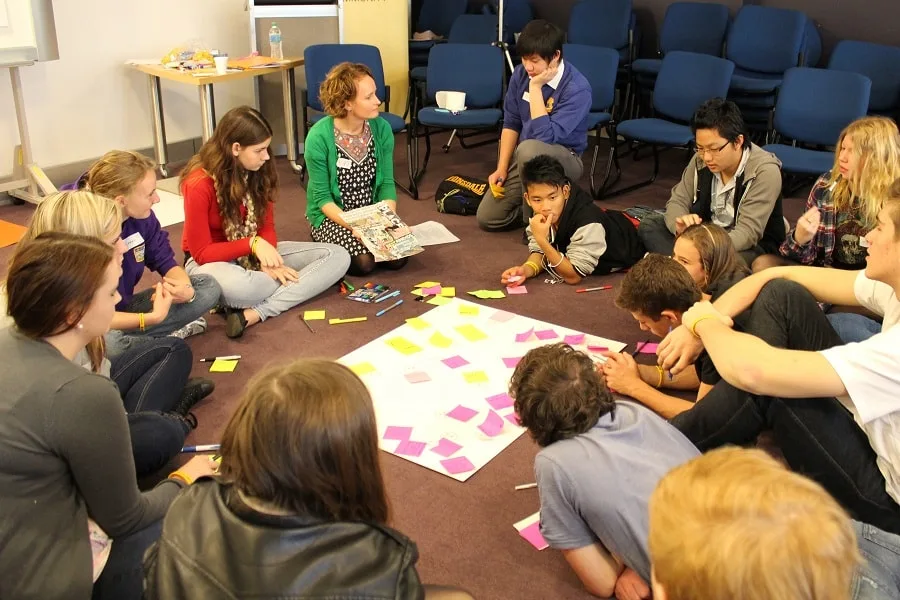
Reducing mental health stigma in schools
Schools play an important role in reducing stigma associated with mental health through educating young people and the wider school community.
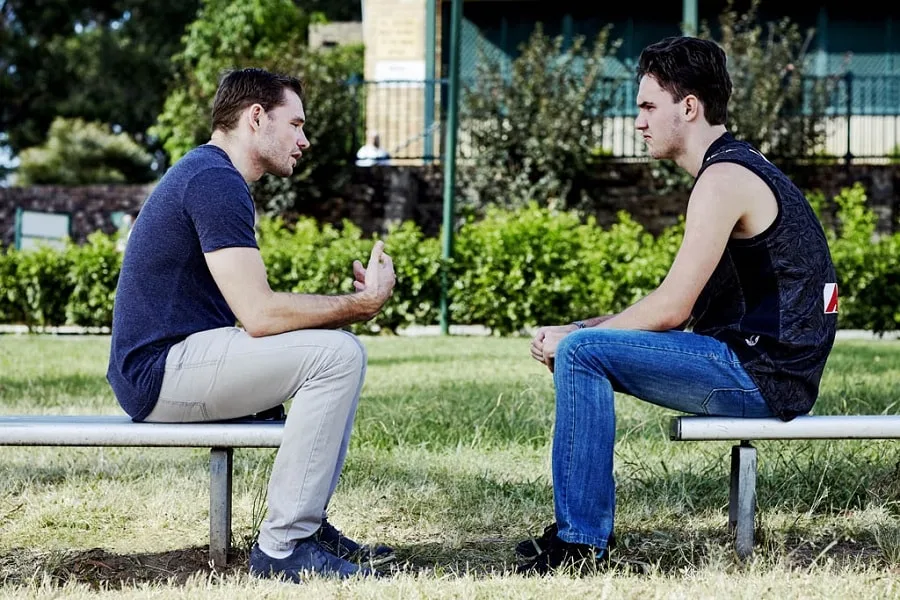
Talking to students about mental health
Providing opportunities for students to talk about mental health issues assists in breaking down stigma. Here we provide you with practical ideas to do so.

Is self-harm linked to attention-seeking?
Self-harm isn’t just attention seeking. Here we explain what it is and how to help.
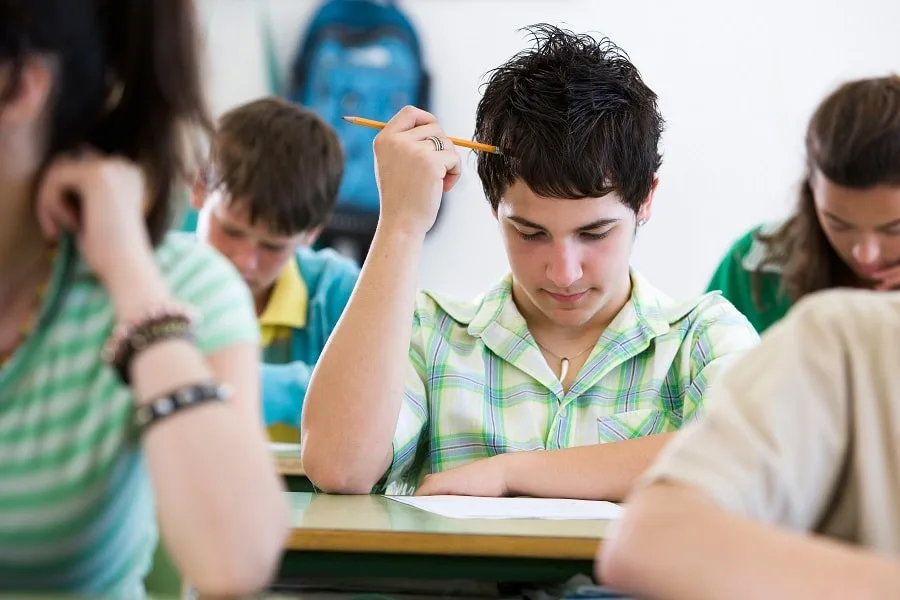
Anxiety and students
Anxiety disorders refer to excessive, fear, panic and nervousness. Get resources to understand and support young people.

Depression and students
Depression is when a person experiences persistent feelings of sadness, guilt, irritability and worthlessness. Get resources to support young people.

Eating disorders and students
Eating disorders involve distorted body image and highly disturbed eating which seriously impact health and wellbeing.
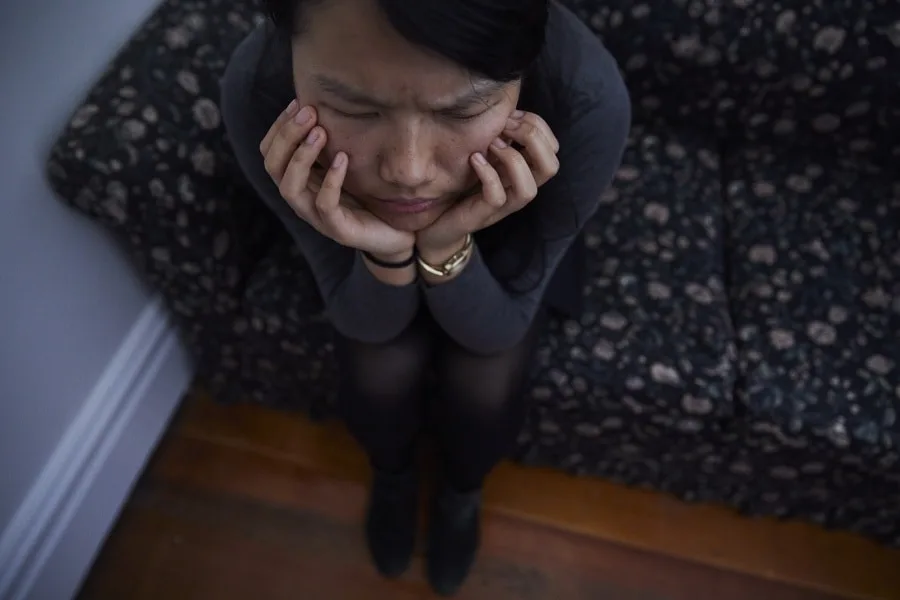
Personality disorders and students
Personality disorders involve inflexible, rigid behaviours and thoughts that can interfere with daily functioning.

Psychotic disorders and students
Psychosis is a distressing experience of losing contact with reality. Such distortions are often caused or triggered by hallucinations, delusions or disrupted or disorganised thinking.

Suicide and students
Suicide is the deliberate act of causing one’s own death. Given the prevalence and serious nature of suicide it is important to talk about suicide with young people.

Self-harm and students
Self-harm refers to when people deliberately harm and injure their own bodies. Often self-harming behaviour will be hidden from others, which can make it incredibly difficult to assess. Get resources to support your students.

Grief, loss and students
Grief is a reaction to loss or death of a loved one. Grief is complicated, painful, and can take years to adjust to. For students grief and loss can be especially difficult to understand and work through.

Life-stage transitions
Life stage transitions are major changes that occur throughout life. Major changes or life stage transitions such as moving schools, or starting university/TAFE, can become overwhelming and stressful.

Alcohol and other drugs
Problematic use of alcohol and other drugs are a major cause of harm for young Australians. Situations involving alcohol and drugs use often lead to other risky behaviours and activities.
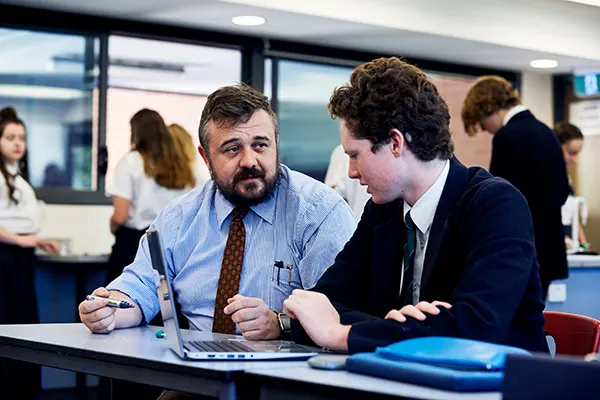
How to support students with climate anxiety
Learn more about what climate anxiety is, signs to look out for in your students, and practical strategies you can use to help them manage their feelings.
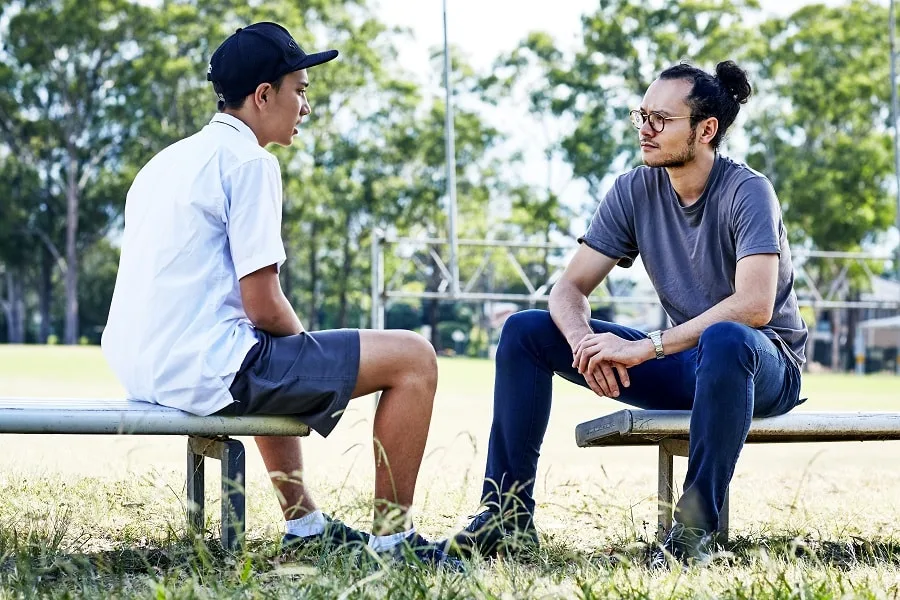
Breaking down barriers to help-seeking
How do you break down the barriers to help-seeking? See what the research says and get advice for supporting young people.

Effectiveness of online help
The effectiveness of online help depends a lot on the source of help or information a young person is accessing. It is important to provide online help, so that good help is available when it is sought.
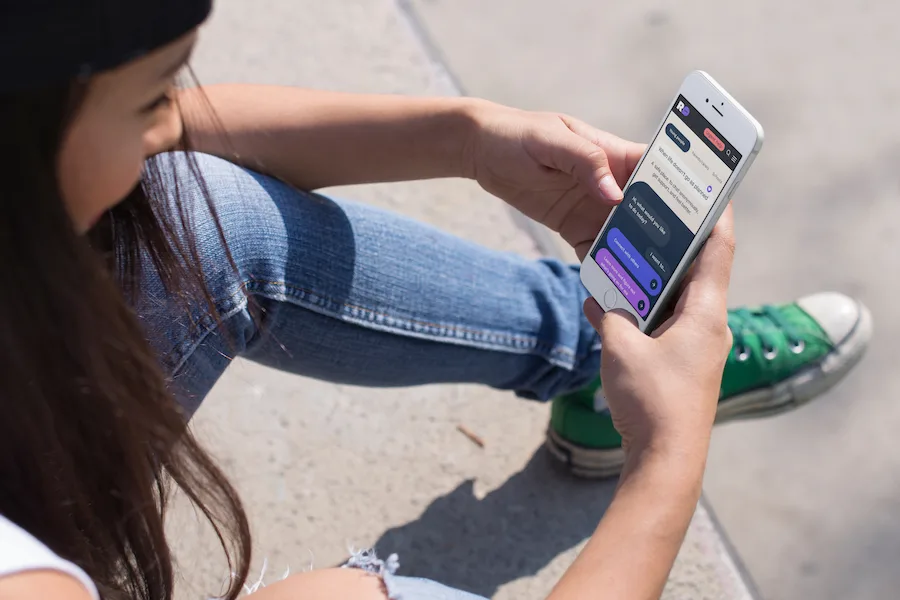
Online mental health communities and forums
Recommended online communities and forums to support for students experiencing mental health difficulties.
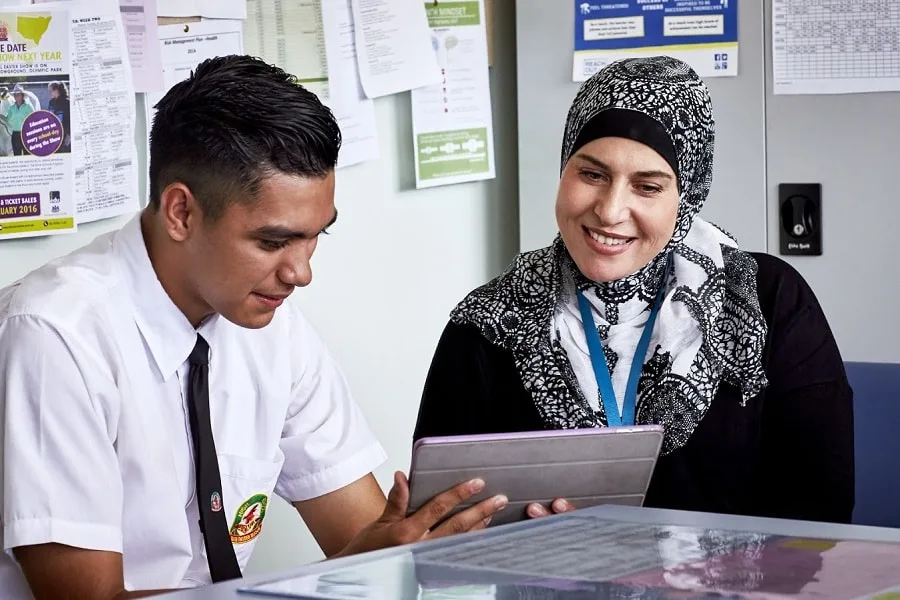
Online counselling and treatment services
A list of recommended online counselling/treatment services for referring students.
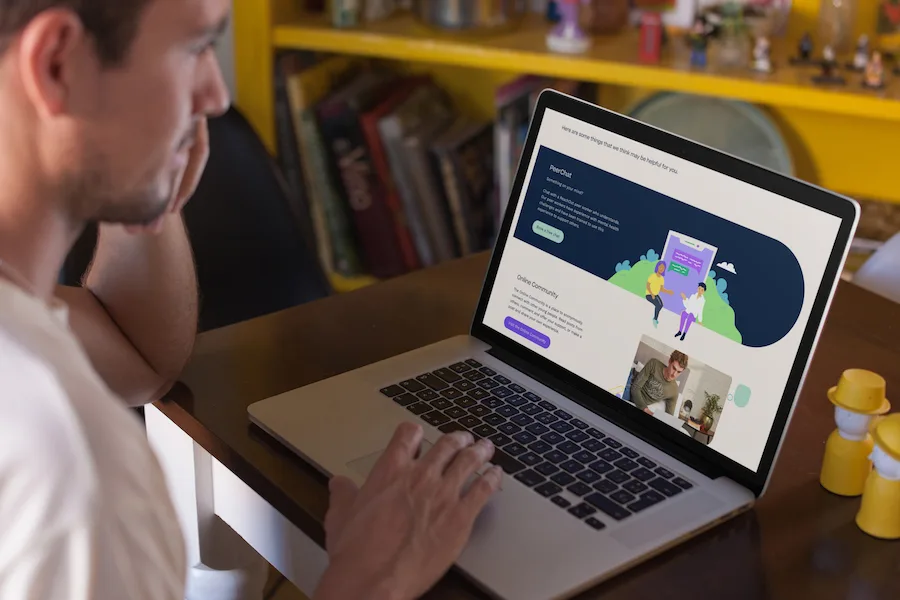
Mental health websites
Use ReachOut’s recommended mental health websites and online programs to help students build their mental health literacy.
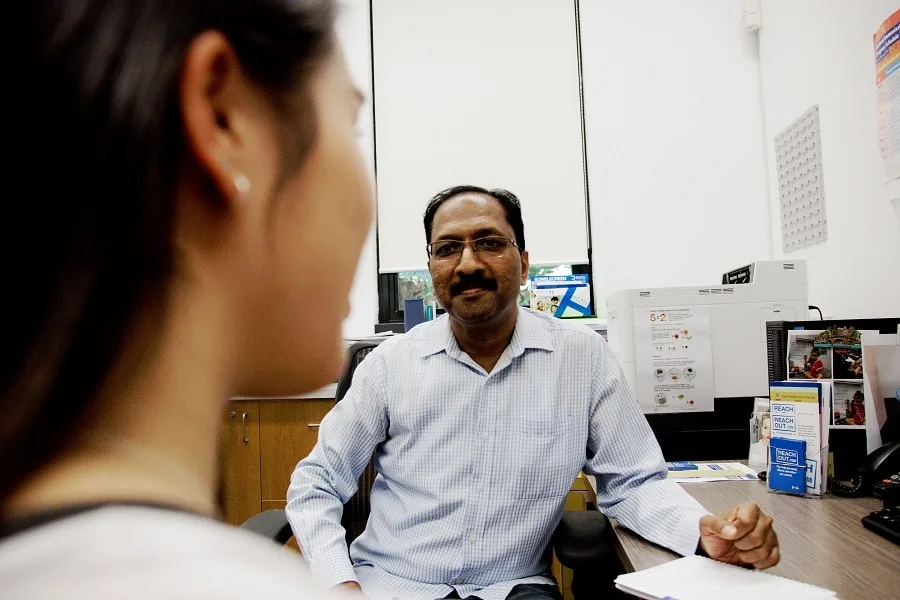
Specialist mental health services
Specialist mental health services are primarily for people with a serious mental illness/disorder and provide a tertiary level of care and are commonly highly trained psychologists and psychiatrists.
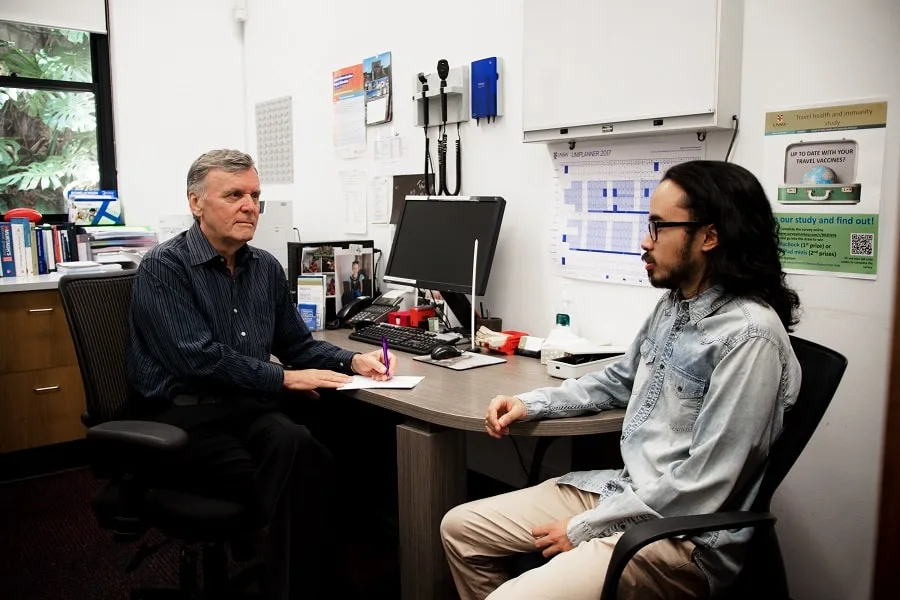
Referring to a GP
Referring to a GP can be the first step in getting a student treatment for emerging mental health illnesses. Find out how they can help, and how to make it easier to access a GP.

Youth Friendly General Practice video
The Youth Friendly General Practice video explains the role of GPs, confidentiality, and how to access a GP.