
Student wellbeing
One in four young people in Australia experience mental health difficulties and 70 percent of those don't seek help. These experiences of mental health impact students’ wellbeing and engagement at school, with teachers playing a critical role in helping students to recognise the need to seek help and access support. Equally critical are activities in school environments to support students’ wellbeing and build their resilience, ensuring they have the skills to handle whatever life throws at them, including mental health issues.
ReachOut’s wellbeing resources are designed by professionals to help students identify how they are feeling right now, learn how to take a proactive approach to their mental health and also how to seek help if they need it.
These resources have been designed to help teachers learn more about student mental health and wellbeing and cover topics including resilience, mindsets and positive psychology.
Use ReachOut Schools student wellbeing resources as a guide to supporting all students, both students struggling with their mental health and those who are currently happy and well. Further support students by teaching students about resilience, bullying,friendships and respectful relationships.

Part 1: Understanding school refusal
School refusal is a complex issue that impacts many students and their families. In Part 1 of our school refusal series, we unpack what school refusal is, including its signs, causes and impacts.

Part 2: Practical strategies for dealing with school refusal
In Part 2 of our school refusal series, we look into some practical strategies and resources for dealing with school refusal, in a way that empowers educators to put the student at the centre.

How to talk to students about distressing world events
Learn about how distressing world events can impact your students, and how to talk to them if they’re feeling overwhelmed.

Helping students to get better sleep
Sleep is crucial for students. Find out how much they need, what can cause sleep issues, and strategies you can use to help them improve their sleep.

Understanding and supporting neurodivergent students
Learn practical strategies to support neurodivergent students and create an inclusive, thriving classroom for everyone.

How to help students manage disappointing results
Read our guide on helping students manage disappointing results, and supporting them to see failure as a key part of their learning journey.

Supporting LGBTQIA+ young people
Get tips to help support your LGBTQIA+ students.

Having quality conversations with students
Read our tips for teaches on having quality conversations with students.

How to support new high school students
Starting high school can be a challenging time for students. Here’s how teachers can help to ensure that students have a positive experience.

What is resilience?
Resilience is considered a characteristic of people who are professionally successful or have things ‘all figured out’. But what is resilience, why is it important and how can it be taught?

Why it’s important to understand students’ needs and interests
Taking the time to get to know your students as individuals can make you a more effective and impactful teacher.

Creating a smooth transition: tips for teachers
The transition to secondary school, when done well, can be a key contributor to a student’s developing a strong sense of self and a positive self-identity, as well as fostering broader aspects of success.

Preventing bullying in schools
Bullying can seem like a teacher’s greatest challenge, but it can also present opportunities to promote growth, solidarity and unity within the school community.

Mindsets
Mindsets are a series of self perceptions or beliefs people have about themselves. Here we explore mindsets and how to support young people in developing a mindset for improving resilience.

Wellbeing and resilience
Wellbeing and resilience are important in potentially preventing the onset of and lessening the severity of existing mental health problems.

Relationships and students
Relationships are rewarding and stressful at times. It is important young people can cope with personal relationships. Relationships can influence physical health, promote self-esteem and a sense of belonging.

10 tips for a safe and respectful classroom
Creating school environments where everyone feels safe, supported and respected is essential in reducing bullying in schools.

Smiling Mind in your classroom
Looking for an innovative approach to introducing mindfulness in your classroom? Smiling Mind is a web and app-based tool does just that!

Mindfulness in the classroom
Learn more about mindfulness and tips for introducing it to your classroom.
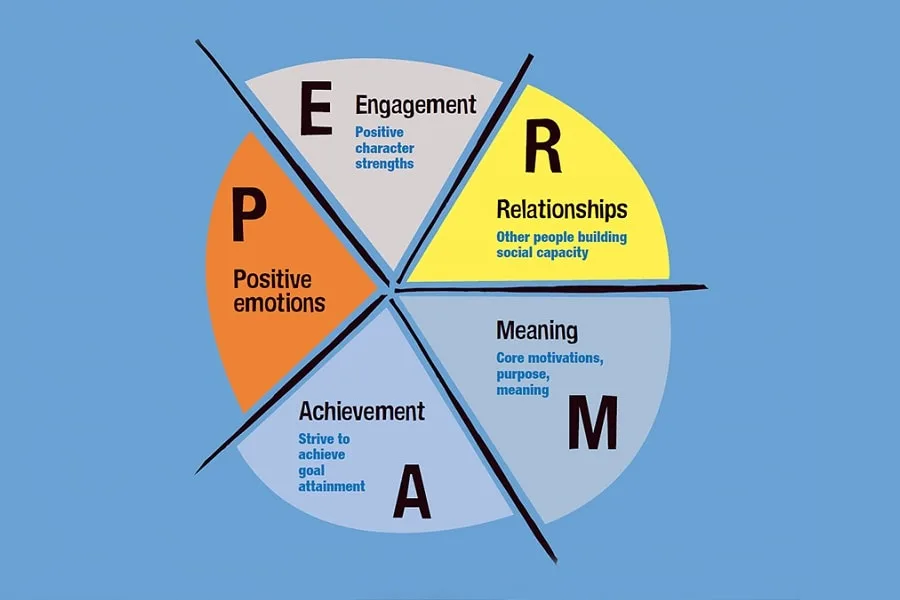
Building a positive learning environment through positive psychology
Positive psychology aims to build a person’s strengths to help them cope with life’s challenges.

Positive emotions and positive psychology
Positive emotions such as amusement, pride and gratitude can help make your classroom a great learning environment.

Engagement and positive psychology
When students are engaged in their work, they’re more focused and achieve better learning outcomes. Learn about how to encourage engagement in the classroom.

Relationships and positive psychology
Relationships are complex, but positive relationships can help create a safe learning environment.

Meaning and positive psychology
Students who understand what is important to them will better appreciate the importance of their education.

Achievement and positive psychology
Helping students to identify and pursue goals that are important to them will give them a sense of accomplishment.

Connecting with students in the online classroom
Learn how to maintain and strengthen your relationships with students in an online environment.

Students going online for help
Students are seeking help online for a variety of reasons. As a teacher, you still play a vital role in their mental health journey.

Creating a supportive learning environment
A safe and supportive classroom environment facilitates active participation and increased engagement of all students.

Referring to ReachOut.com
Referring to ReachOut.com is often a good first step in helping young people understand and cope with emerging mental health difficulties.