
Student advocacy
In an era of global challenges, young voices are driving real change. From climate strikes to local mental health initiatives, student advocacy is shaping our world and our future. These lesson plans are designed to empower students with the knowledge, skills and confidence to advocate safely and effectively, in a way that supports their own and their community’s wellbeing.
Using video case studies and resources from across ReachOut and STTOP2030, students dive into key learning areas such as research, communication and digital literacy. They will learn to pinpoint the issues that matter to them, to conduct effective research, and to express their concerns in a constructive way.
Activities are designed to boost critical thinking and communication skills, and to offer practical advocacy experiences. Whether it’s tackling climate change, raising awareness about mental health or addressing local issues, students will discover the power of their voice in making a difference.
From social media campaigns to community projects, lessons explore various advocacy methods with a strong focus on safety and ethical practices. Through hands-on projects and real-life scenarios, students sharpen their analytical abilities and put their advocacy skills to the test.
Understanding how personal wellbeing connects to broader social issues equips students to advocate effectively. They will explore how individual actions can spark larger societal changes, and learn to collaborate and amplify their collective voice.
Classroom resources
Designed to be engaging and relevant to your students

Protesting for change
Students explore how peaceful protest can be a powerful tool for driving social change.

7-8

30 minutes

Making my mark: Mental health advocacy
Students envision a world with better mental health. By identifying ways to create positive change, they develop their sense of personal agency and responsibility to their community.
7-8
30 minutes

Action and gratitude
Students explore social change through real-world examples, research a personal cause, and practise gratitude by writing to change agents.
7-8
60 minutes

Class debate challenge
Students take part in structured debates on equity and wellbeing topics, sharpening their critical thinking and communication skills as they explore important social issues.
7-8
30 minutes

Poster campaign
Students dive into advocacy by researching social issues and creating persuasive poster campaigns, developing critical thinking and communication skills along the way.
7-8
60 minutes

Strategies for change
Students explore how to create positive change in their communities through brainstorming and collaborative activities.
7-8
30 minutes

How to cope with disturbing videos
Students explore the impacts that seeing disturbing videos can have on their mental health and wellbeing, and identify coping strategies they can use to help manage their experiences.
7-10
60 minutes

Climate change and wellbeing
Students explore how their everyday choices impact their wellbeing and the environment, and build their critical thinking and respectful communication skills.
9-10
60 minutes

Advocating for change
Students explore advocacy through real-world issues, create mini-campaigns and learn about self-care in activism.
9-10
30 minutes

Community wellbeing: Ideas to action
Students explore community wellbeing by analysing videos, brainstorming ideas and planning actions. This helps to build their critical thinking skills and sense of social responsibility.
9-10
30 minutes

Media literacy
Students learn to spot fake news, understand how media can affect wellbeing, and develop critical thinking skills for responsible digital citizenship.
9-10
30 minutes

Self-care and the news cycle
Students learn how to handle the impact of distressing news, to focus on positive stories, and to develop strategies for healthy media consumption.
9-10
30 minutes

Exploring awareness days
Students explore advocacy days and create awareness calendars. They develop empathy skills and gain an understanding of why awareness campaigns are important.
9-10
60 minutes
Resources for parents and carers
Share with parents and carers to support a whole school approach to student wellbeing

Ask an expert: Supporting teens to cope with distressing world events
Clinical psychologist Nasalifya Namwinga offers advice on how to support teens following a distressing world event.

How to support a teenager who experiences climate anxiety
If your teen has climate anxiety (chronic stress and anxiety about climate change) here’s how to support them.

Why young people protest and how to support them
Learn more about why young people protest and how to support your teen’s activism and safety.

Helping your teen cope with bad world news
Hearing about bad world news can be stressful for your teen. Get some tips on how to help them think critically about and cope with bad world news.
Resources for students
Engaging and reliable content for young people to support their wellbeing

Everything you need to know about climate anxiety
Climate anxiety, or chronic fear and stress about climate change, is becoming more common. Here’s everything you need to know about climate anxiety.

Ask a therapist: How to cope with distressing events and bad world news
We asked Nasalifya Namwinga, a clinical psychologist, to answer your questions about distressing events, vicarious trauma and bad world news.
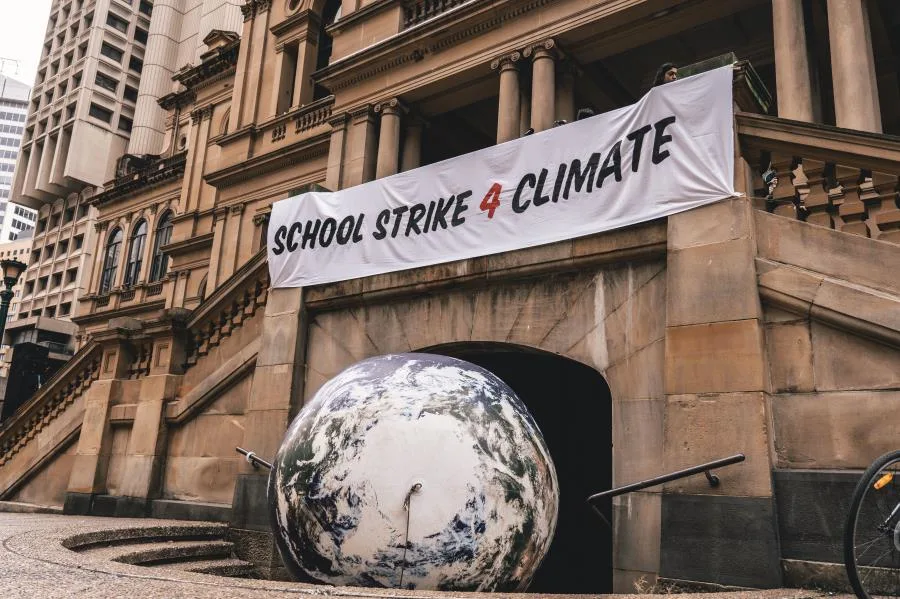
Practical ways to cope with climate anxiety
Hearing about climate change can be distressing. Here are some tips on how to cope.

The news and critical thinking: Why is it important?
We consume so much news, but how much of it can we really trust? Learn what media literacy is and how you can improve yours.