
Social media
Students growing up in a digital age need to feel confident about making positive choices online, which will benefit their ongoing wellbeing. Schools and the classroom provide safe spaces for students to explore their ideas around social media, and to learn that there are both positive and negative aspects of using platforms. Ultimately, however, each individual needs to decide for themselves how to engage with the online world.
Social media platforms are developed and updated regularly; accordingly, the way students engage with each platform will also evolve. These platforms differ in functionality which can include sharing messages, ideas, photos, stories and other content. Some platforms were popular for only a short time (e.g. Kik, Yik Yak, Vines, Myspace), while others have evolved with the audience to become part of everyday life (e.g. Instagram, TikTok, Snapchat, YoutTube).
It's important that teachers and parents stay up to date with each platform's functionality and terms of service, so they can have informed, engaging and factually accurate conversations with young people. The eSafety Commissioner provides updates on popular social media platforms through the eSafety Guide.
Regardless of the platform, it is imperative that we teach students respectful behaviours, responsible use of technology and the importance of resilience and reasoning.
By teaching students about concepts such as boundary setting, privacy, trolling, cyberbullying and overuse, they’ll feel confident to make these choices. Helping students to see how social media can be used to promote positive upstander behaviour and to do good for others in our society will support them to make positive online choices. By using these classroom resources and Wellbeing Fives, students will be confident as they navigate the ever-changing social media world.
Classroom resources
Designed to be engaging and relevant to your students.

What is social media?
Students learn about social media platforms and the importance of thinking about their terms of service.

7-10

60 minutes

Social media and personal wellbeing
Students examine a scenario to identify activities on social media that could impact on their wellbeing. Students identify strategies they could use to improve their wellbeing.
7-10
60 minutes
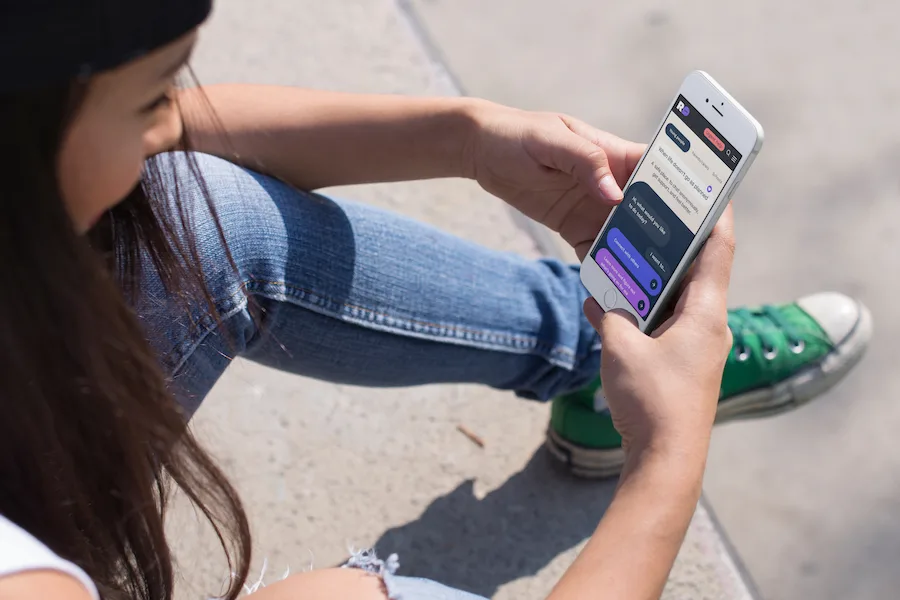
Positive uses of social media
Students analyse positive social media trends and outline how they could use social media to create social change.
7-10
60 minutes

Trolling and cyberbullying
Students learn to recognise trolling and cyberbullying and develop strategies to deal with it.
7-10
60 minutes
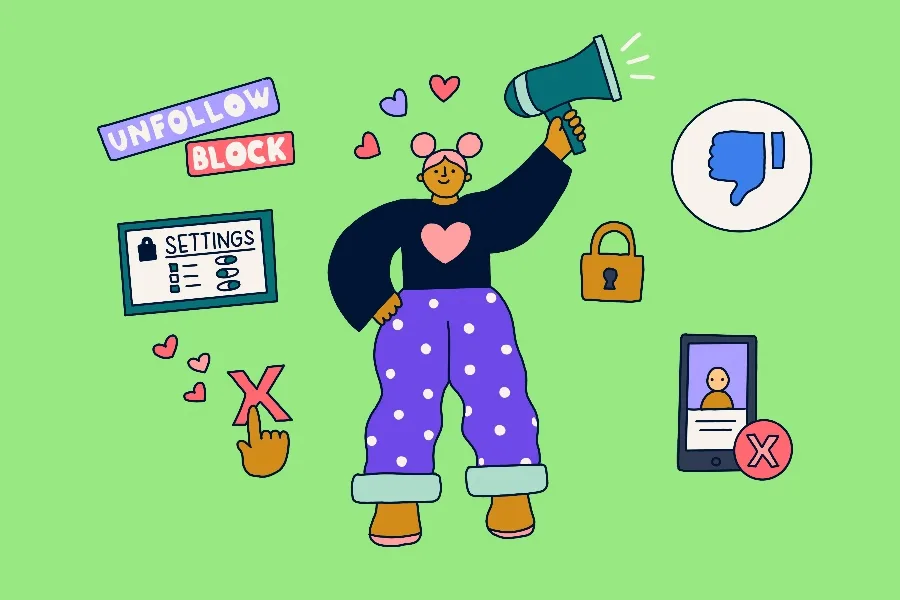
How to cope with disturbing videos
Students explore the impacts that seeing disturbing videos can have on their mental health and wellbeing, and identify coping strategies they can use to help manage their experiences.
7-10
60 minutes
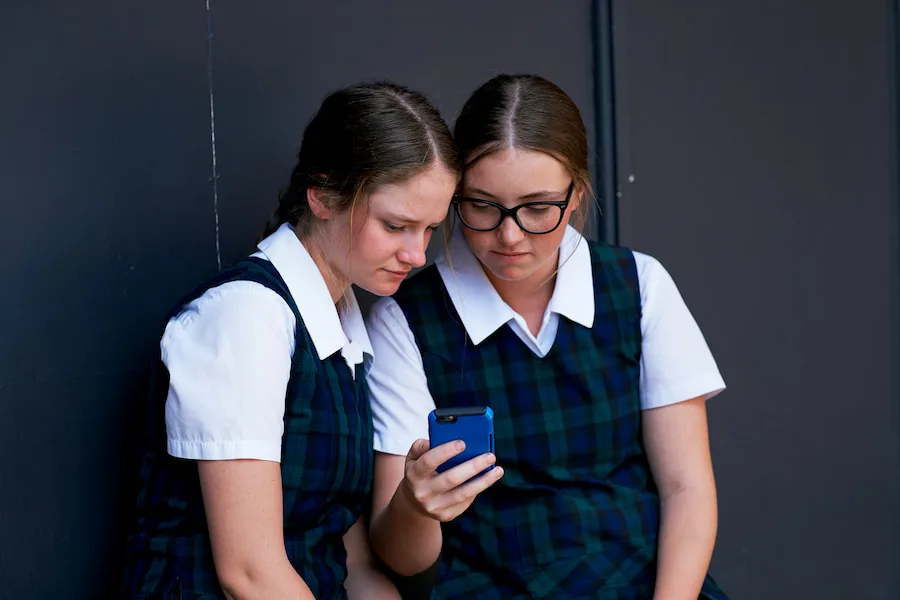
How to create a mentally healthy social media feed
This lesson provides students with practical strategies for creating and maintaining a mentally healthy social media feed, to help them navigate the digital world more positively.
7-12
60 minutes
Wellbeing Fives
Energise, refocus and develop wellbeing in your students in 5 minutes.

Boundary setting on social media
Students explore, understand and set their personal boundaries on social media.
7-10
5 minutes

Online communities
Students investigate the sense of belonging developed through connections made in different online communities.
7-10
5 minutes

Privacy on social media
Students learn about the complexity of privacy on social media.
7-10
5 minutes

Social media is like a tug of war
By applying the metaphor of a tug of war, students engage in discussions of different points of view on social media.
7-10
5 minutes

Taming social media use
Students think of ways to manage their social media use.
7-10
5 minutes

The pros and cons of social media
Students evaluate social media using a Venn diagram.
7-10
5 minutes

Things to stop doing online
Students consider online behaviours that can have a negative impact on others.
7-10
5 minutes

Upstanders on social media
Students learn how to be an upstander in an online environment.
7-10
5 minutes
Resources for parents and carers
Share with parents and carers to support a whole school approach to student wellbeing.

Teenagers and social media
Learn about why teenagers love social media and the possible benefits and risks involved.
Help your teen manage their social media usage
Most parents are worried about their teenager’s use of social media. Here are some practical ways to help your teen develop good social media habits.
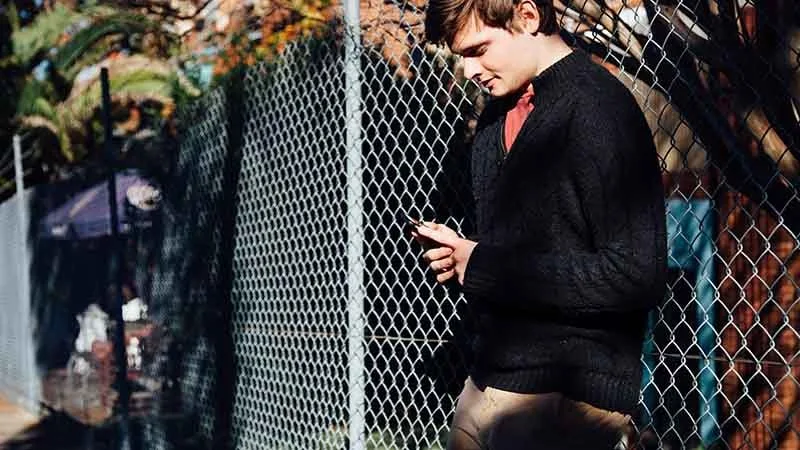
Self-esteem and social media
Find out why social media can impact a teenager's self-esteem and how you can support your teenager.
Resources for students
Engaging and reliable content for young people to support their wellbeing.
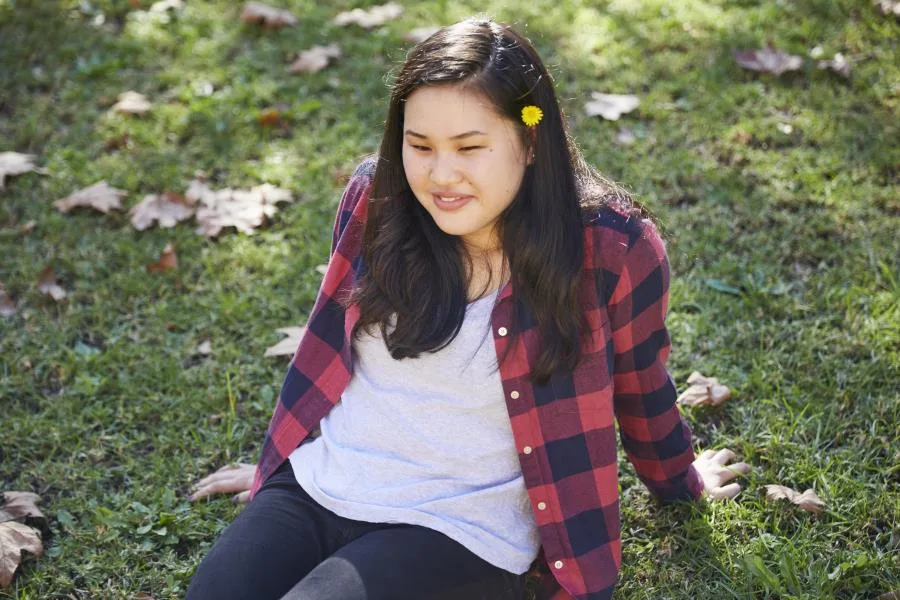
Mental wellbeing
There are a number of ways to look after yourself, from eating well to developing good habits. Check 'em out here and boost your mental fitness.
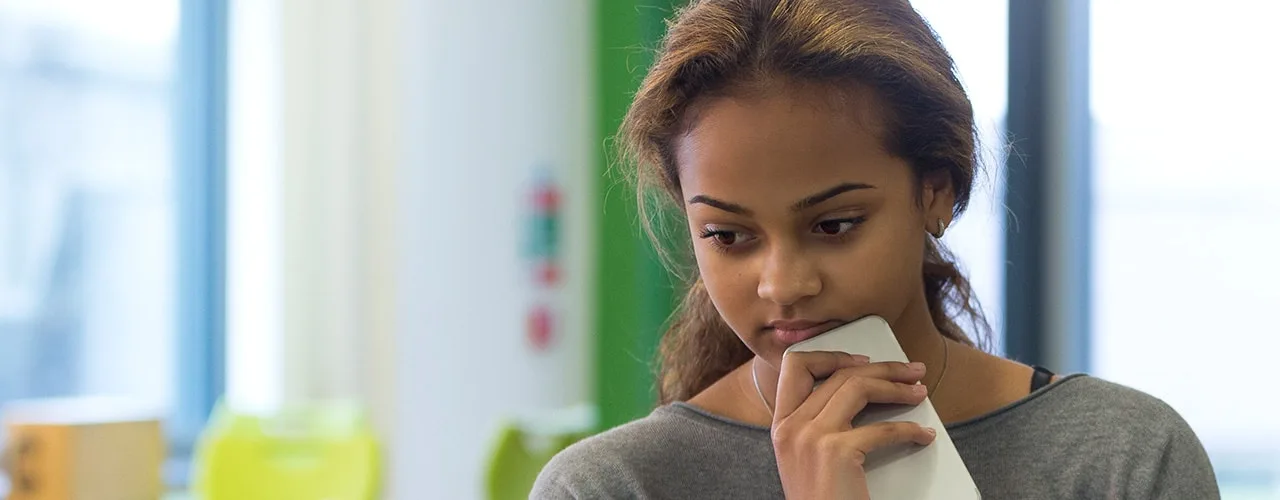
Cyberbullying
Cyberbullying can be especially horrible because it's often public, hard to take down and 'switching off' isn't as simple as it sounds.
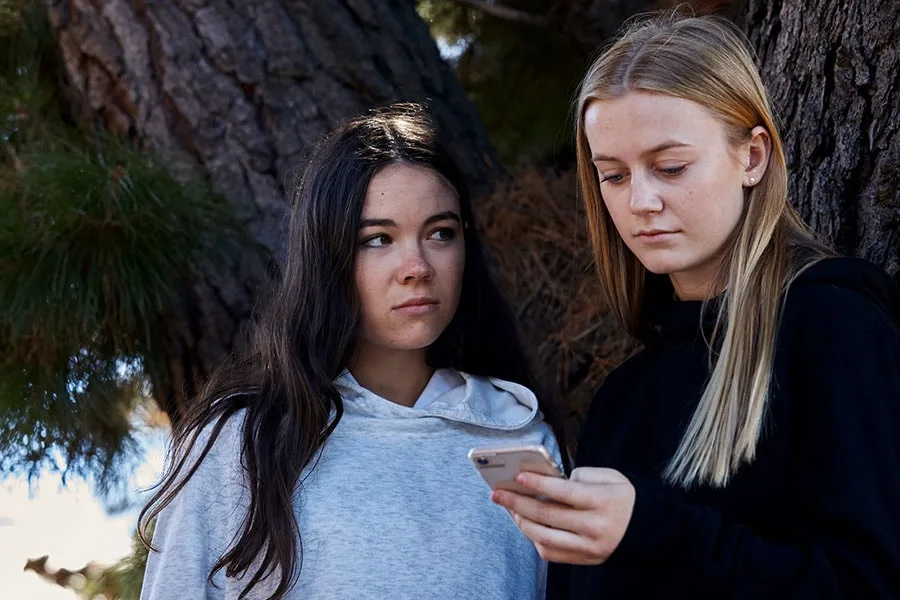
4 things everyone needs to stop doing online
Here's four things people do online that need to stop